
ICS METHOD:CANCEL is not the same as deleting your calendar copy
Removing a meeting from your own screen does not establish that the organizer cancelled it for everyone. In iCalendar scheduling, an organizer’s cancellation is a message about an identified event and a defined audience.
Cancellation scope to identify before acting
| Intended outcome | Identity information | Who should act |
|---|---|---|
| Remove my independent imported copy | Destination record and calendar | The person managing that copy |
| Cancel one recurring instance | Original UID plus original occurrence RECURRENCE-ID | Organizer through a supported interface |
| Cancel the entire series | Original UID; no instance RECURRENCE-ID | Organizer through a supported interface |
| Stop one person attending | Affected attendee and provider workflow | Organizer; this is not automatically whole-event cancellation |
Separate personal removal from organizer cancellation
RFC 5546 section 3.2.5 describes METHOD:CANCEL as a cancellation notice sent by the organizer to affected attendees. Deleting a locally imported copy is a different operation. An attendee who no longer plans to attend should use the provider’s appropriate response or removal controls rather than impersonating the organizer.
For an important cancellation, check the original organizer and the current event in the owning service. A missing row in one application may reflect hiding, removal or an outdated connection. It is not by itself evidence that the meeting no longer exists for its guests.
Keep the original identity and specify the scope
The cancellation’s UID must match the original request. Under the RFC, cancelling the entire recurring series omits RECURRENCE-ID, while cancelling one instance includes its occurrence identity. That distinction is more precise than the event title or the date a recipient happens to read the email.
Imagine a fictional weekly meeting whose original 16 November occurrence has moved to 17 November. An instance cancellation still identifies the original 16 November occurrence through RECURRENCE-ID. Do not substitute its new start just because that is the date currently displayed.
Inspect the fields without building an unauthorized message
An iTIP cancellation uses METHOD:CANCEL at the calendar-object level and the corresponding event properties inside VEVENT. The RFC requires identity, organizer, timestamp and revision information; it also specifies incrementing SEQUENCE when an event is cancelled. STATUS:CANCELLED is used when the entire event is cancelled, but not merely when selected attendees are uninvited.
These are diagnostic distinctions, not a complete message-generation recipe. A file containing the right field names does not prove authority. The RFC’s security discussion requires attention to sender authentication and unauthorized organizer changes. Use the supported organizer interface to send a real cancellation.
Verify the recipient result through the right route
For a harmless agreed test, record one ordinary invitation and one recurring occurrence before cancelling through the organizing provider. Ask the intended test attendee to inspect that exact event. Keep delivery, acceptance of the update and the resulting calendar display as separate observations.
Cloud Calendars sharing receipts, provider invitations and imported files are different mechanisms. This guide does not claim that a Cloud Calendars delete control sends every provider’s cancellation message. When the required organizer or occurrence controls are absent, use the owning provider and verify the remaining dates.
What it looks like
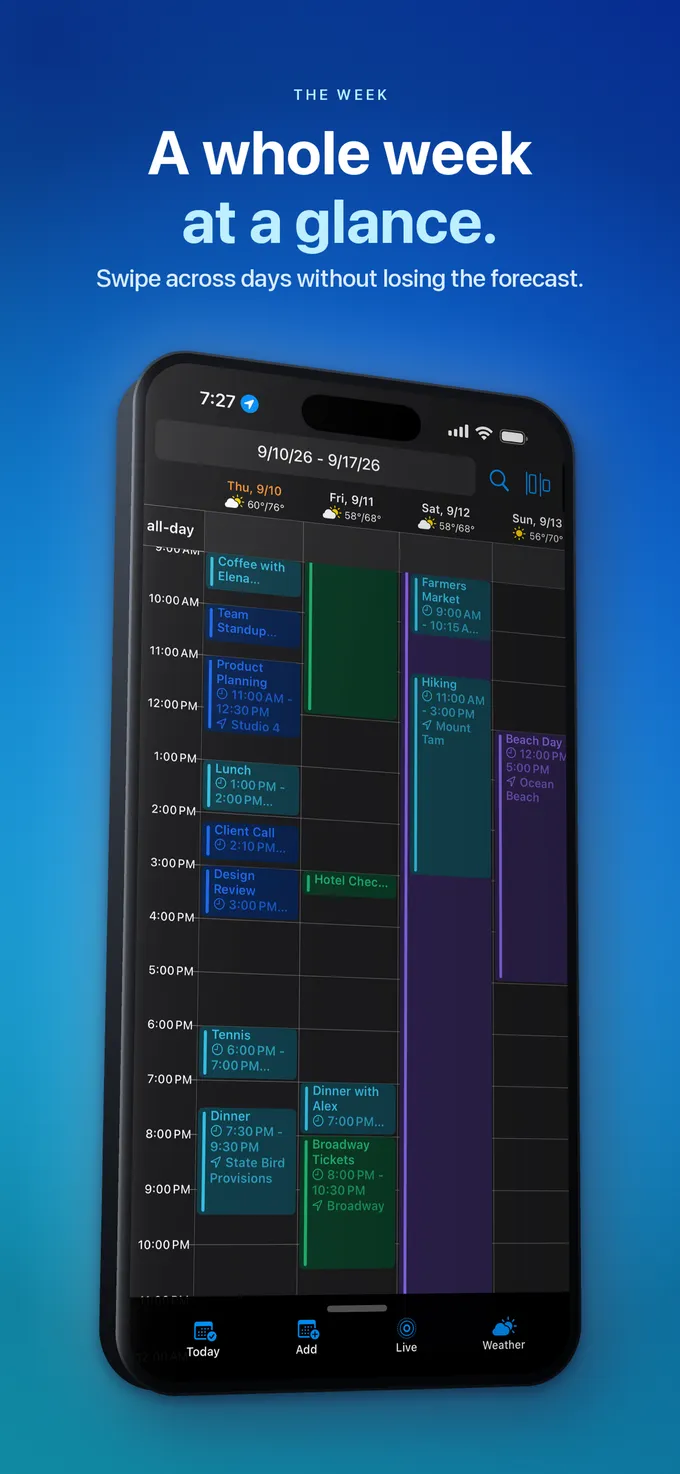
Cloud Calendars overview, using our product images. Provider settings and protocol examples described in this guide are separate from the screens shown here.
What to do
- Establish whether you are the organizer, attendee or owner of an independent copy.
- Name the exact occurrence or whole-series scope.
- Use the owning provider’s supported cancellation workflow.
- Verify the intended recipient and unaffected occurrences without deleting the original as a test.
Questions
- Does deleting my ICS import notify everyone?
- An independent import is not an organizer cancellation channel. Use the original provider’s documented meeting controls for a real cancellation.
- Does a moved occurrence use its new start as RECURRENCE-ID?
- No. The recurrence identifier refers to the original scheduled occurrence, even when its current start has changed.